

 Feed back
 Privacy Policy
Pisces Embrace
It's 3:17 AM in Kolkata. Diya Sen, a 28-year-old graphic designer and lifelong Pisces, scrolls through an endless gallery of her own AI-generated mythological hybrids—lion-headed goddesses riding comet whales across neon oceans. She smiles. This world feels more real than her inbox. Her freelance deadlines? Forgotten. Her last client call? Rescheduled... again. She calls this "creative flow." But by morning light, she knows the truth: this is escapism wearing inspiration's clothes.
Imagine two rivers flowing through every Pisces mind: one carries dreams, empathy, and boundless possibility. The other drags anxiety, overstimulation, and the weight of unspoken emotions. In cultures where emotional expression is often muted—like in conservative pockets of Hyderabad, Chittagong, or Rawalpindi—that second river swells fast.
A 2024 regional study conducted by the South Asian Mental Health Alliance found that 68% of self-identified Pisces respondents reported spending over four hours daily on "immersive digital experiences"—ranging from writing fan fiction based on Bollywood epics to building virtual temples in metaverse platforms. Only 29% said these activities led to concrete projects outside the digital realm.
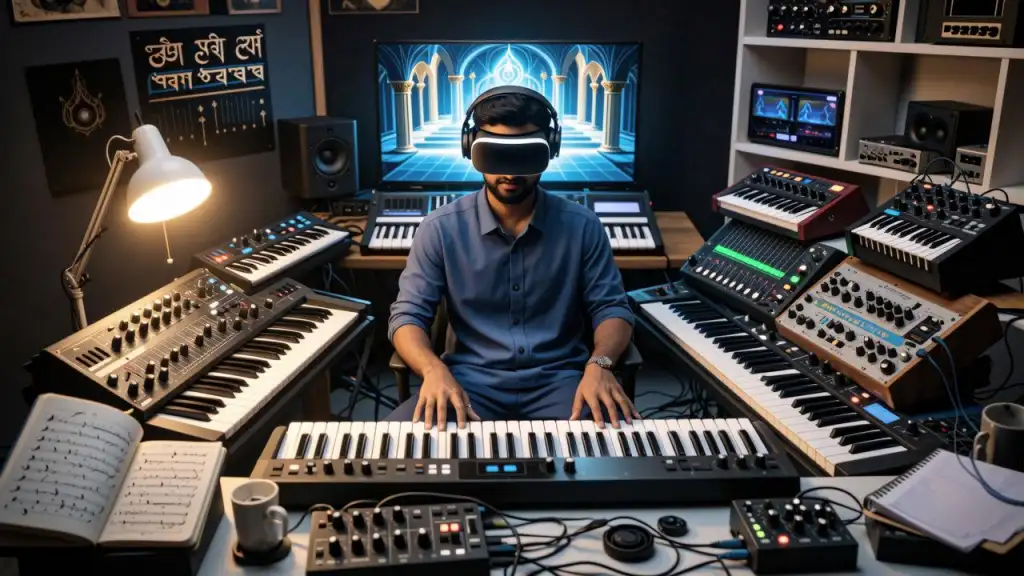
Take Farhan Ahmed, a music producer in Dhaka. He spent six months composing a full symphonic album set in a fictional Sufi-inspired universe called *Noorabad*. Every track had lore, character arcs, even imagined film scenes. But he never released it. "It felt too fragile," he admitted in a podcast interview. "If I put it out, people might misunderstand it. Or worse—they might just scroll past."
By 2025, the blend of AI tools, immersive audio, and low-barrier publishing platforms has made fantasy creation easier than ever. Apps like DreamWeave (popular in Bangalore), Raahi VR (gaining traction in Lahore), and SoulScript (used by poets in Sylhet) allow users to generate entire alternate realities with voice commands.
| Region | % of Pisces Using Immersive Tools Weekly | % Who Published Work Publicly |
|---|---|---|
| India (urban) | 74% | 31% |
| Bangladesh | 63% | 22% |
| Pakistan | 67% | 25% |
Source: 2024 Cultural Innovation Survey, SAARC Tech & Arts Initiative
Because escapism, even when dressed up as creativity, still avoids friction. And growth lives in friction.
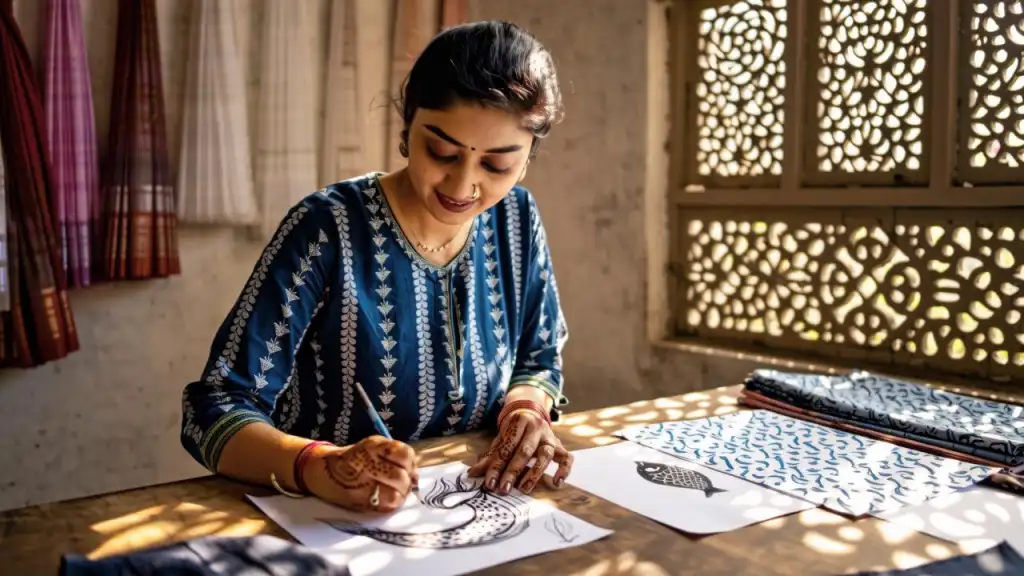
Consider Rhea Kapoor, a textile designer from Jaipur. She began sketching elaborate sari patterns inspired by underwater civilizations—half-memory, half-invention. Instead of keeping them private, she applied for a micro-grant from CraftRoots India and turned three designs into limited-edition scarves. Sold out in three days.
Try this method, tested by artists across South Asia:
This is fantasy balance in practice: honoring your need for imaginative space while tethering it to incremental action.
Imagine your mind is a monsoon reservoir. Rain pours in constantly—emotions, ideas, visions. Left unchecked, it floods. Drains everything. But with smart sluice gates—deadlines, commitments, small promises—it becomes irrigation. It grows things.
One popular workshop, "Dream to Do," teaches participants to assign urgency levels to their fantasies:
Only Level 3 gets time beyond 30 minutes. The rest? Honored, then released.
A landmark study from the National Institute of Mental Health and Neurosciences (NIMHANS), Bengaluru, showed that individuals who engaged in micro-actions—writing one sentence, sending one email, making one sketch—were 3.2x more likely to complete larger creative projects within six weeks.
Meet Zara Hussain, a filmmaker from Islamabad. She struggled for years to finish her short film about displaced women in northern Pakistan. She had scripts, footage, even funding. But fear kept her stuck.
In Dhaka, a collective of Pisces-dominant artists created a system they call Echo Circles: small groups that meet biweekly to share unfinished work. Rules are strict: no praise, no criticism. Only two questions: What did you feel? What made you lean in?
Within six months, 70% of members had launched public projects—from photo essays on Old Dhaka's vanishing tea stalls to interactive sound installations exploring Bengali lullabies.
Q: How do I know if my escapism is healthy?
A: Ask: Does this activity restore me, or deplete me? Healthy escapism leaves you refreshed and slightly motivated. Unhealthy forms leave you numb, guilty, or disconnected. Track your energy, not just your time.
Q: Can too much creativity be a form of avoidance?
A: Absolutely. If your projects never see daylight, if you endlessly revise without sharing, you may be using creative escapism as a shield. Creation includes reception. Someone needs to witness it.
Q: What are small steps Pisces can take toward real-world action without losing magic?
A: Start absurdly small. Share one line of poetry. Post one drawing with no caption. Send a voice note to a friend describing a dream. Magic doesn't vanish when it meets the world—it multiplies.
In 2025, being a Pisces isn't about choosing between fantasy and reality. It's about mastering the alchemy between them.
[Disclaimer] The content provided in this article about Escapism vs Creativity: Finding the Line as a Pisces is for informational purposes only and does not constitute professional advice in any related field. Readers should make decisions based on their individual circumstances and consult qualified professionals when necessary. The author and publisher disclaim any liability for actions taken based on the information contained herein.
Arjun Mehta
|
2025.11.13
